Secure attachment refers to a pattern of relating in which a person feels emotionally safe with closeness, comfortable with independence, and confident in both themselves and their relationships. It is often described as the healthiest attachment style, not because it is flawless, but because it allows for flexibility, repair, and emotional balance.
People with secure attachment still experience conflict, doubt, and stress in relationships. The difference lies in how they respond. Rather than becoming overwhelmed by fear of abandonment or withdrawing to protect themselves, securely attached individuals tend to regulate emotions effectively, communicate openly, and trust that relationships can withstand tension.
Understanding secure attachment is important not only for recognizing healthy dynamics, but also because it provides a realistic model of what emotional security looks like in practice, especially for those who did not grow up experiencing it consistently.
The Psychological Basis of Secure Attachment
Secure attachment originates from attachment theory, first developed by John Bowlby. Bowlby proposed that humans are biologically wired to seek closeness to caregivers during times of distress, and that the quality of early caregiving shapes long-term expectations about relationships.
This work was expanded by Mary Ainsworth, whose research identified consistent attachment patterns in children. Securely attached children were those who used caregivers as a “secure base”: they felt safe exploring their environment and were comforted by the caregiver’s return during moments of stress.
Over time, these early experiences become internal working models, mental templates that answer two core questions:
- Can I rely on others when I need support?
- Am I worthy of care and connection?
Secure attachment develops when caregivers are generally responsive, emotionally available, and consistent. These experiences teach the nervous system that closeness is safe and that emotional needs will not threaten the relationship.
Also read: What Are Attachment Styles? A Psychology-Based Explanation
Core Traits of Securely Attached Individuals
Secure attachment is defined less by specific behaviors and more by emotional capacities. Common traits include:
- Emotional regulation: The ability to experience strong emotions without becoming overwhelmed or shutting down
- Comfort with closeness and autonomy: Intimacy does not feel suffocating, and independence does not feel threatening
- Trust: A general expectation that others are reliable and well-intentioned
- Stable self-worth: Self-esteem that is not overly dependent on external validation
- Flexibility under stress: Capacity to adapt responses rather than relying on rigid coping strategies
These traits allow securely attached individuals to respond to relationship challenges with curiosity rather than defensiveness.
Common Behaviors in Relationships
Secure attachment tends to show up through observable relational behaviors, especially during moments of tension or vulnerability.
Securely attached individuals are more likely to:
- Communicate needs clearly and directly
- Express emotions without excessive fear of rejection
- Respect their own boundaries and those of others
- Address conflict rather than avoiding it
- Engage in repair after disagreements
They are generally comfortable asking for support and offering it, without feeling weak, dependent, or resentful. Importantly, secure behaviors are not constant; they fluctuate with stres,s but the baseline remains emotionally balanced.
Read more: What Attachment Styles Are and How They Shape Adult Relationships
Secure Attachment and Emotional Regulation
One of the defining features of secure attachment is effective emotional regulation. When stress arises, the nervous system of a securely attached person tends to return to baseline more quickly.
This regulation happens in two key ways:
- Self-regulation: The ability to calm oneself without extreme behaviors
- Co-regulation: The ability to seek comfort from others without panic or withdrawal
Securely attached individuals tolerate emotional discomfort better. They can sit with uncertainty, wait for clarification, and avoid catastrophizing minor relational cues. This does not mean they never feel anxious it means anxiety does not control their behavior.
Secure Attachment in Romantic Relationships
In romantic relationships, secure attachment supports both intimacy and long-term stability. Secure partners tend to feel safe investing emotionally because they trust both themselves and the relationship.
Common patterns include:
- Willingness to commit without feeling trapped
- Comfort discussing the future
- Trust during periods of distance (such as busy schedules or temporary separations)
- Emotional availability during difficult conversations
Secure attachment allows couples to navigate transitions, moving in together, career changes, parenthood, without excessive fear that change equals loss.
Secure Attachment in Other Relationship Types
Although attachment theory is often discussed in romantic contexts, secure attachment influences many areas of life.
- Friendships: Secure individuals form stable, reciprocal friendships and tolerate natural shifts in closeness
- Family relationships: They are better able to maintain connections while setting healthy boundaries
- Parenting: Secure attachment supports responsive, emotionally attuned caregiving
- Workplace relationships: Secure attachment is associated with collaboration, feedback tolerance, and leadership resilience
Across contexts, emotional security supports adaptability and relational trust.
Relationship Outcomes Associated With Secure Attachment
Research consistently links secure attachment with positive relational outcomes, including:
- Higher relationship satisfaction
- Lower levels of chronic conflict
- Greater emotional intimacy
- More effective conflict resolution
- Increased relationship longevity
Secure attachment acts as a protective factor during stress. When difficulties arise, as they inevitably do, securely attached individuals are more likely to view challenges as solvable rather than threatening to the relationship’s survival.
Also Read: How Attachment Styles Develop From Childhood to Adulthood
Can Secure Attachment Be Learned or Developed?
Yes. While some people develop secure attachment early in life, others develop what researchers call earned secure attachment later in adulthood.
Earned security can develop through:
- Consistent, emotionally safe relationships
- Therapy (especially attachment-based or trauma-informed approaches)
- Increased self-awareness and emotional regulation skills
- Corrective relational experiences over time
Change is usually gradual. Secure attachment develops through repeated experiences of safety, not insight alone. Importantly, progress does not require becoming perfectly secure; greater flexibility and awareness are meaningful markers of growth.
Common Myths About Secure Attachment
“Secure people don’t need reassurance.”
Securely attached individuals still seek reassurance; they simply do so without panic or shame.
“Secure attachment means no conflict.”
Conflict is normal. Secure attachment is about how conflict is handled, not whether it occurs.
“Emotional independence equals secure attachment.”
Excessive self-reliance can be a sign of avoidant attachment. Secure attachment balances independence with connection.
“You’re either secure or not.”
Attachment exists on a spectrum and can vary by relationship and life stage.
Why Secure Attachment Matters for Relationship Health
Secure attachment creates emotional safety the foundation of trust, intimacy, and effective communication. When people feel safe, they are more open, curious, and resilient. This safety allows relationships to grow rather than becoming rigid or reactive.
Understanding secure attachment also reframes growth. Instead of striving to eliminate all insecurity, the goal becomes increasing emotional capacity: better regulation, clearer communication, and more flexible responses to stress.
Conclusion:
Secure attachment is not a personality trait or a permanent state it is a relational pattern that can strengthen or weaken depending on experience. It reflects learned expectations about safety, trust, and worthiness, not innate superiority or emotional perfection.
For those who already experience secure attachment, it offers stability and resilience. For those who do not, it provides a realistic, evidence-based model of what emotional security can look like and a reminder that change is possible.
Secure attachment is less about never struggling and more about knowing that struggle does not mean the relationship or the self is broken.
Frequently Asked Questions:
1. What is secure attachment in adults?
Secure attachment in adults refers to a relational pattern where a person feels emotionally safe with closeness, trusts others, and can manage conflict without excessive anxiety or withdrawal. It allows for both intimacy and independence within relationships.
2. What are the main traits of a securely attached person?
Securely attached individuals typically show emotional regulation, clear communication, trust in others, stable self-worth, and flexibility during stress. They are comfortable expressing needs and responding to others’ needs without fear or defensiveness.
3. How does secure attachment show up in relationships?
Secure attachment appears through open communication, healthy boundaries, willingness to repair after conflict, and emotional availability. Secure partners address issues directly rather than avoiding them or escalating fear-driven reactions.
4. Can someone with an insecure attachment style become secure?
Yes. Many people develop what is called earned secure attachment through supportive relationships, therapy, and increased emotional awareness. Secure attachment can be learned over time through consistent experiences of safety and trust.
5. Do securely attached people ever feel anxious or insecure?
Yes. Secure attachment does not eliminate anxiety or insecurity. The difference is that securely attached individuals can regulate these feelings without letting them control their behavior or damage the relationship.
6. How does secure attachment affect conflict resolution?
Secure attachment supports calm, constructive conflict resolution. Secure individuals are more likely to listen, express emotions respectfully, and seek solutions rather than blame, withdraw, or escalate arguments.
7. Is secure attachment the same as emotional independence?
No. Secure attachment balances independence with connection. Emotional independence without closeness can indicate avoidant attachment, while secure attachment allows people to rely on others without losing a sense of self.
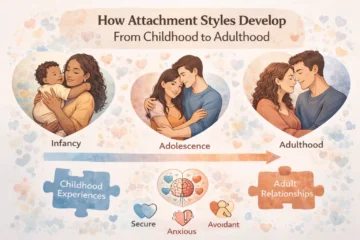
8. How does secure attachment develop in childhood?
Secure attachment typically develops when caregivers are consistently responsive, emotionally available, and supportive. These experiences teach children that relationships are safe and that their needs matter.
9. Can secure attachment change over time?
Yes. Attachment patterns can shift due to life stress, trauma, or relationship experiences. While secure attachment is generally stable, it can strengthen or weaken depending on relational safety and emotional support.
10. Why is secure attachment important for healthy relationships?
Secure attachment creates emotional safety, which supports trust, intimacy, effective communication, and resilience during challenges. It is strongly associated with higher relationship satisfaction and long-term stability.