Promise Day is often framed as one of the most meaningful days of Valentine’s Week. It invites couples to make vows to commit, to reassure, to declare permanence. On the surface, it feels romantic. Words like always, forever, and never dominate conversations.
But beneath the surface, Promise Day functions differently. It does not simply celebrate love. It exposes its structure.
Because when promises are spoken out loud, they reveal more than devotion. They reveal whether stability already exists or whether it is being verbally reinforced to compensate for uncertainty.
Why Promises Feel Like Proof of Love
There is something undeniably powerful about hearing, “I’ll never let you go.”
The sentence feels steady. Protective. Certain.
Romantic language often leans toward absolutes. Phrases like “Forever starts tonight” or “I promise I’ll always choose you” create the feeling of permanence in a world that rarely offers guarantees.
Psychologically, this makes sense. Love introduces uncertainty. No one can fully control how relationships evolve. Promises temporarily reduce that uncertainty. They transform emotion into declaration.
But here is the subtle distinction:
A promise can feel like stability even when it is responding to instability.
The more uncertain something feels internally, the stronger the urge to secure it with words.
When Always Is Driven by Fear
Not all promises are born from calm security. Some emerge during moments of tension after arguments, during jealousy, or when distance feels threatening.
In those moments, reassurance becomes urgent.
- “I’m not going anywhere.”
- “You’re the only one.”
- “I’ll always stay.”
The words sound romantic. But often, they are attempts to quiet fear of being replaced, fear of emotional withdrawal, fear of abandonment.
When individuals perceive relational threat, they increase closeness-seeking behaviors, including verbal reassurance. The intensity of the declaration often mirrors the intensity of the anxiety underneath it.
The promise becomes emotional first aid.
This doesn’t make the words insincere. It simply means that devotion and vulnerability are intertwined. Sometimes the strongest vows are spoken when stability feels most fragile.
Also read: The Promises You Make in Love Often Reveal What You’re Afraid Of Losing
Words Feel Permanent. Patterns Reveal Stability.
A sentence can promise eternity in a moment.
Real relationships cannot.
Promise Day compresses commitment into a symbolic gesture. But stability is built through repetition, how someone shows up consistently, not just how beautifully they speak.
A partner who says “forever” but disappears during conflict reveals something different from a partner who rarely uses dramatic language but remains emotionally present during difficulty.
Promise Day can expose this gap.
When words feel grand, but behavior feels inconsistent, the contrast becomes harder to ignore. The holiday magnifies alignment or misalignment between language and lived experience.

Reactive Promises After Emotional Threat
Notice when promises appear most intensely.
- After jealousy.
- After emotional distance.
- After conflict.
A sudden surge of vows often follows a perceived threat to the bond. The promise becomes a repair attempt, a way to restore closeness quickly.
But reactive promises sometimes address the symptom rather than the structure. If instability repeats, the reassurance must also repeat.
Over time, this cycle can quietly erode trust. The more frequently a relationship relies on dramatic declarations to feel secure, the more it may signal that underlying stability is still developing.
Silence Can Reveal Just as Much
Not everyone responds to Promise Day with bold declarations.
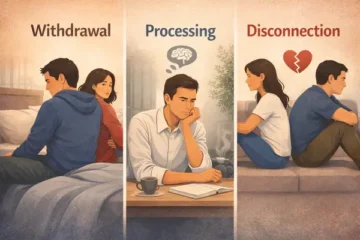
Some hesitate. Some minimize the day. Some avoid symbolic vows entirely.
That silence can feel disappointing, especially when culture expects dramatic affirmation. But hesitation does not always mean lack of care. It may reflect discomfort with absolutes, fear of overpromising, or a belief that commitment is demonstrated rather than declared.
Avoidance and caution are not the same. Sometimes, restraint signals thoughtfulness. Other times it signals emotional distance.
Promise Day exposes these differences in how partners approach certainty.
Also read: What Valentine’s Day Really Reveals About the Future of Your Relationship
Attachment Patterns Beneath the Language
How someone approaches Promise Day often reflects deeper attachment tendencies.
Those who are more sensitive to rejection may lean into reassurance-heavy language. Promises reduce internal fear. They provide emotional grounding.
Those who value autonomy strongly may resist dramatic vows. Absolute language can feel overwhelming or restrictive.
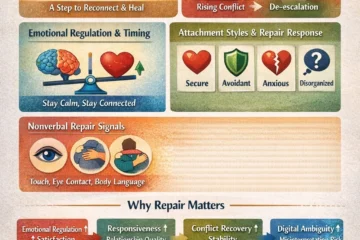
Neither style is inherently right or wrong. But Promise Day magnifies these tendencies. It brings private emotional regulation patterns into visible conversation.
The holiday becomes less about romance and more about how each partner manages emotional security.
Broken Promises and the Erosion of Trust
The most revealing aspect of Promise Day may not be the promises themselves but what happens afterward.
If vows are repeated annually yet patterns remain unchanged, the words lose emotional weight. Predictability builds trust. Inconsistency weakens it.
When someone repeatedly promises presence but withdraws during difficulty, stability weakens. When someone promises exclusivity but maintains emotional ambiguity, security fades.
Trust is not built by intensity. It is built on reliability.
Promise Day quietly measures that reliability.
What Promise Day Actually Measures
At its core, Promise Day reveals three things:
- Alignment — Do both partners attach similar meaning to commitment?
- Consistency — Do actions reflect declarations?
- Security — Do promises feel calm, or urgent?
A secure relationship often feels steady. Promises, when spoken, feel natural rather than performative. They align with behavior already observed.
An unstable relationship often feels dramatic. Promises feel necessary, even essential, to maintain emotional balance.
The difference is subtle but powerful.
Stability Is Quiet
Culture celebrates grand vows. Social media amplifies them. Romantic storytelling immortalizes them.
But real stability is rarely loud.
- It looks like showing up during an inconvenience.
- It looks like emotional steadiness during conflict.
- It looks like predictability without performance.
Promise Day does not create these qualities. It reveals whether they already exist.
When promises feel aligned with lived experience, they deepen trust.
When they attempt to compensate for instability, they expose it.
In the end, Promise Day isn’t romantic because of what is said.
It is revealing because of what is already true.
And often, what feels most romantic in the moment tells you exactly how stable or unstable the foundation really is.
Frequently Asked Questions:
1. What does Promise Day reveal about a relationship?
Promise Day often highlights how aligned partners are in their expectations, commitment language, and emotional security. It reveals whether promises reflect existing stability or attempt to compensate for uncertainty.
2. Why do promises feel so meaningful in relationships?
Promises reduce emotional ambiguity. They create a sense of certainty in situations where the future cannot be fully guaranteed, which is why they feel powerful and reassuring.
3. Can strong promises signal insecurity?
In some cases, intense declarations emerge during moments of fear, conflict, or perceived instability. The urgency behind a promise can sometimes reflect anxiety about losing the relationship.
4. Why do promises often increase after arguments?
After conflict, individuals may seek to restore emotional closeness quickly. Verbal reassurance becomes a way to reduce tension and reestablish connection.
5. Is making fewer promises a sign of weak commitment?
Not necessarily. Some people express commitment through consistent actions rather than symbolic language. Stability is often reflected more clearly in behavior than in dramatic declarations.
6. What is the difference between a stable promise and a reactive promise?
A stable promise aligns with consistent behavior over time. A reactive promise typically appears during emotional spikes and may need repeated reassurance to maintain security.
7. How do attachment tendencies influence Promise Day reactions?
Individuals who are sensitive to rejection may lean toward reassurance-heavy language, while those who value independence strongly may hesitate with absolute vows. Promise Day can magnify these tendencies.
8. Why can broken promises affect trust more than arguments?
Repeated unfulfilled promises undermine predictability. Trust grows through reliability, and inconsistency between words and actions can gradually weaken emotional security.
9. Does Promise Day determine relationship success?
No single day determines long-term success. However, reactions to Promise Day can reveal patterns in communication, alignment, and emotional regulation.
10. What ultimately defines relationship stability?
Stability is defined by consistency, reliability, and emotional presence over time. Words may express intention, but patterns demonstrate commitment.